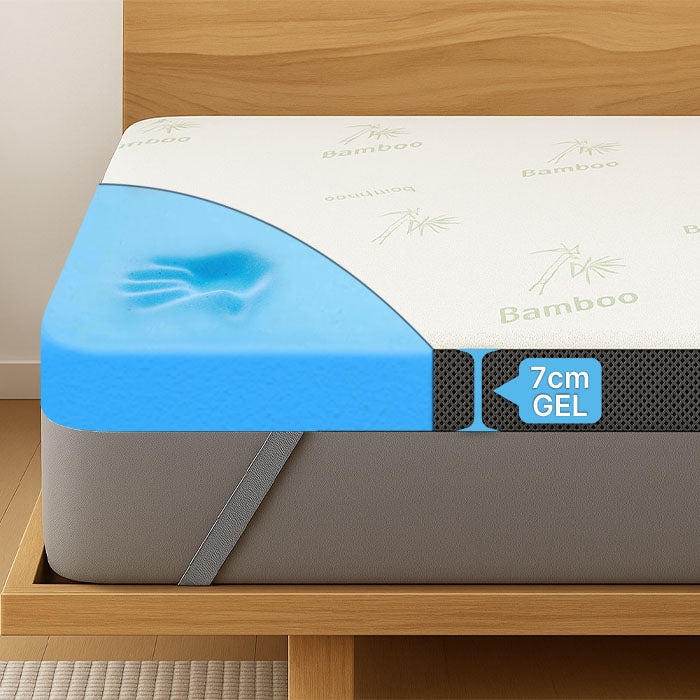
Linda Reeves, 58, did everything the orthopedist told her. She stretched. She switched to a standing desk. She bought a $2,400 hybrid mattress that came with a 100-night trial and a promise of "spinal alignment." Six months later, she was still waking at 4 a.m. with a dull ache that radiated from her lower back into her hip.
"I thought I'd just have to live with it," she told us by phone from her home in Asheville. "Then my physiotherapist asked a question no one had asked me before. She said: what's the very top layer of your bed actually made of?"
The answer, it turned out, mattered more than the mattress underneath it.
The four inches no one talks about
The mattress industry is a $29 billion business in the United States alone. Most of the marketing — and most of the markup — sits in the bottom 8 to 12 inches of the bed: coils, base foam, edge support. But the part of the bed that touches your body, the part that has to cradle a shoulder or relieve pressure on a sore hip, is rarely more than three or four inches thick.
"If that top layer is too firm, or it's broken down, it doesn't matter what's under it," says Dr. Iris Conrad, a physiotherapist who specializes in postural pain. "You'll sleep on a great mattress and wake up in pain anyway."
"You don't need to replace the bed. You need to replace the part of the bed your spine is actually resting on."
That insight — combined with a generation of readers who don't want to spend $2,000 on a mattress every eight years — is why a quiet category of product has begun dominating sleep forums and physiotherapy clinics alike: the orthopedic memory-foam topper.
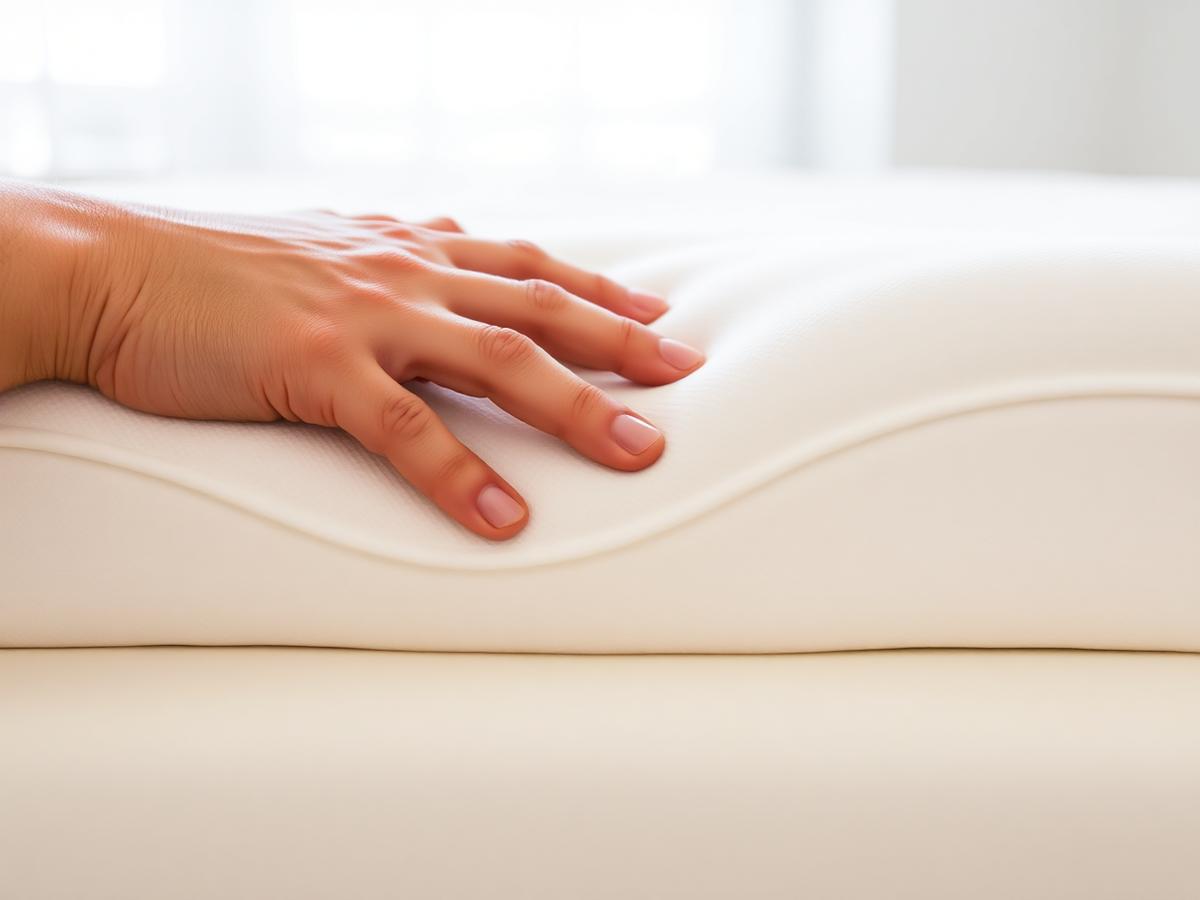
What we looked for
Over six weeks, our team evaluated nine of the most-recommended toppers on the market. We weighed each one. We measured density (the only metric that actually predicts how long a foam will hold up). We slept on them. And we asked three independent physiotherapists to rate them on lumbar support and pressure relief for side, back and combination sleepers.
One product kept rising to the top of the list — not because it was the most expensive, but because it was the only one that hit every benchmark we set.